Tests for integration of decentralized, renewable energy sources in the grid
The growing share of decentralized renewable energy sources such as wind, solar, and biogas is reshaping the way large electricity grids are balanced. Traditionally, Frequency Containment Reserve (FCR), the capacity to stabilize grid frequency by adjusting power output up or down, was supplied exclusively by large power plants. With their declining share, Transmission System Operators (TSOs) are seeking ways to integrate renewables, storage systems, and even EV charging infrastructure into FCR control.
Pilot Project: Aggregating Decentralized Resources
In 2017 a pilot project was launched by the Dutch TSO, involving aggregation of multiple decentralized sources to provide FCR. In this setup, distributed small-scale assets are pooled and controlled as one virtual unit with a minimum capacity of 1 MW.
To qualify, bidders’ control and information systems were audited, including frequency response tests on individual representative assets within their pool.
CerTa Veritas Testing Contribution
As part of this program, CerTa Veritas carried out detailed frequency response tests on:
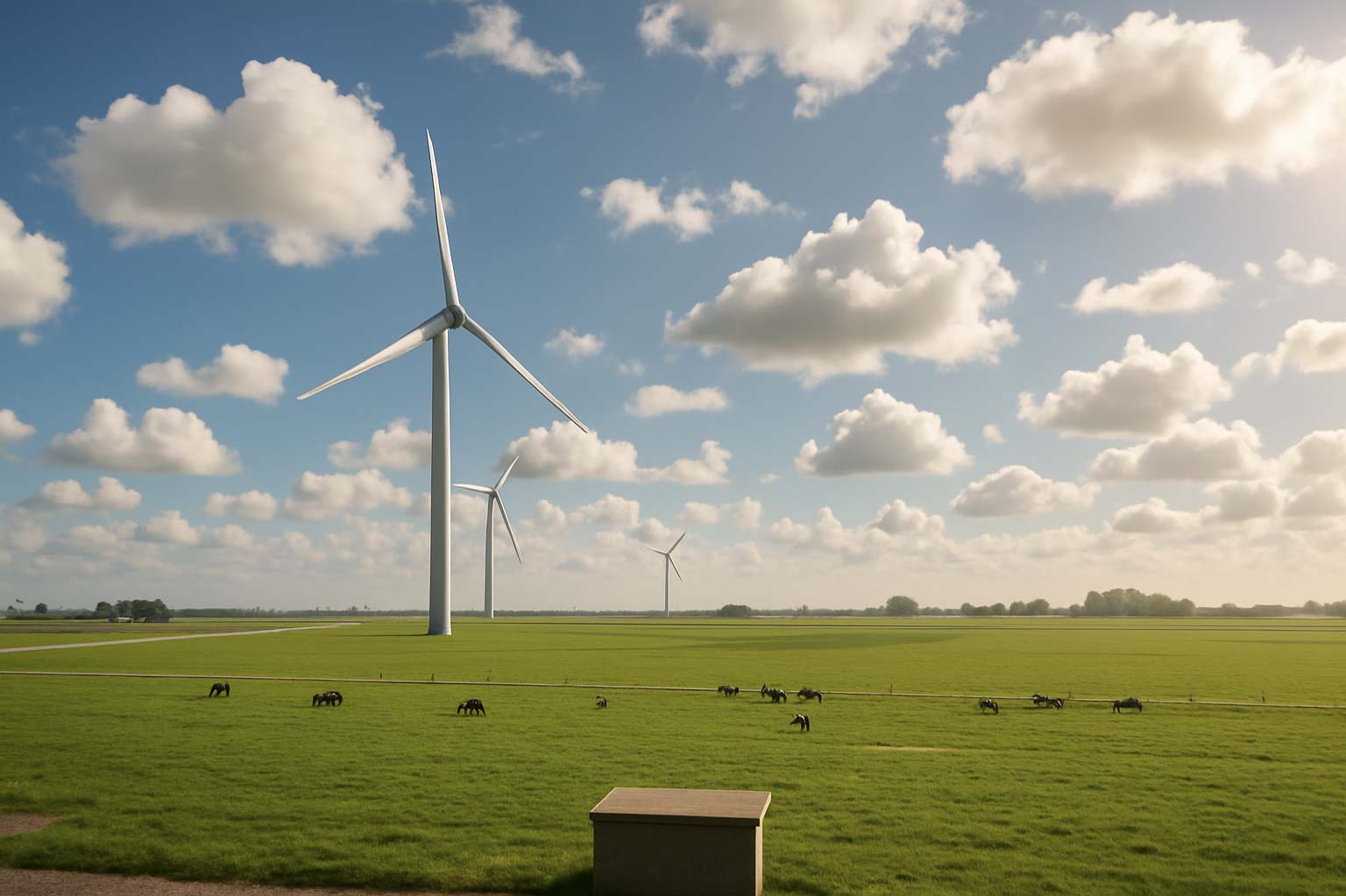
A cluster of 3 wind turbines
2 biogas engines
A Tesla Powerwall battery energy storage system
2 types of electric vehicle (EV) chargers
Using a high-speed power analyzer, these tests delivered valuable insights into the frequency response behavior and limitations of each technology.
Enabling the Future Grid
The project marks an important step towards the integration of renewable power, energy storage, and EV charging infrastructure into grid-balancing services. CerTa Veritas is proud to have contributed to this initiative, supporting the transition to a more resilient and sustainable energy system.
Learn more about Frequency Response Testing